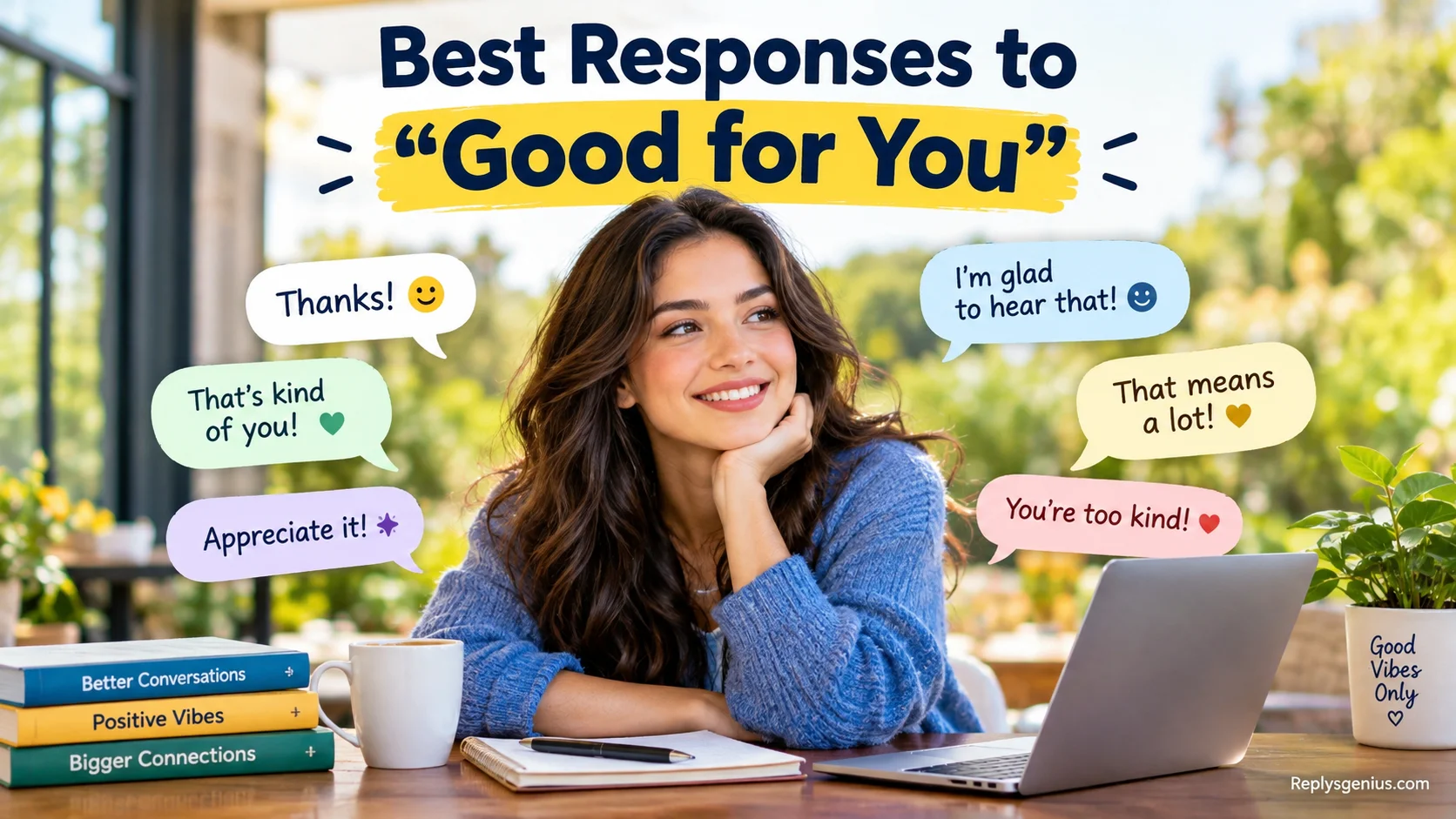
Best Responses to “Good for You” help you handle sincere praise, sarcastic comments, and everyday conversations with confidence. Learn how tone changes meaning and choose a natural reply for every situation.During a busy day, people often use short phrases to acknowledge someone’s achievement or success. However, the tone, context, and intent can change the whole meaning of “Good for You.” Someone may be truly happy when you excitedly share a personal achievement, while another person may sound sarcastic, unimpressed, or disappointed. This common phrase can express genuine happiness, positive acknowledgment, or a backhanded compliment with negative undertones. Pay attention to facial expressions, voice, delivery, and other social cues to understand the implied meaning, hidden meaning, and emotional tone behind the spoken words. These details matter in everyday language, interpersonal communication, and understanding a phrase’s meaning.
When choosing a reply, use natural replies that fit the situation instead of giving a flat “okay” or a simple nod. Sometimes, you need more than just a nod to keep things moving and make conversations more lively and clear. There are better ways to acknowledge what others tell you, whether you are sharing good news, responding to success, or handling sarcasm. Polite responses, friendly responses, and warm responses work well when someone shows genuine appreciation or offers support. If the comment sounds sarcastic, funny responses or calm alternative responses can help you avoid a negative impression. You can also choose sweet responses, thoughtful replies, short replies, or simple replies that match the conversational tone. These helpful expressions, relevant phrases, and response ideas can improve your communication skills, conversational skills, and communication style in casual chats, text messages, friendly exchanges, and professional conversations.
The Best Responses to “Good for You” also depend on your relationship context. With friends and family, humorous replies, cheerful messages, and heartfelt responses may feel natural. Coworkers may prefer formal replies, professional etiquette, and clear communication. In professional settings, focus on workplace communication and use appropriate replies that show recognition, appreciation, and support, especially when discussing career growth. Similar skills help when someone wishes you Good Luck before an important exam, job interview, or new business venture. A thoughtful good luck reply can express gratitude, encouraging words, or motivational words. Knowing how to reply helps you choose good luck responses, a Best of luck reply, or other positive responses that sound confident and genuine.
1. “Thank You! I Appreciate It.”
Sometimes, the best response to “Good for you” is a simple and sincere thank-you. When someone genuinely celebrates your success, acknowledging their kindness keeps the conversation positive. For example, if you tell a friend about your promotion and they say, “Good for you,” responding warmly shows that you appreciate their support without making the moment unnecessarily complicated.
When to use
Use this response when someone congratulates you sincerely or expresses happiness about your progress.
When not to use
Avoid it if the person is clearly being sarcastic and you want to address their tone directly.
Example
Friend: “I finally passed my driving test!”
You: “Good for you!”
Friend: “Thank you! I appreciate it.”
2. “I’m Pretty Proud of Myself!”
A little self-confidence can turn “Good for you” into an opportunity to celebrate your hard work. This response shows that you recognize your own progress and don’t need to downplay your achievements. It’s especially useful when you’ve worked toward a personal goal, overcome a challenge, or accomplished something that took patience and determination.
When to use
Use it when you’re celebrating a meaningful achievement and want to sound confident and positive.
When not to use
Avoid it when the other person is sharing their own success or when the conversation calls for a more modest reply.
Example
Friend: “Good for you! You finished that difficult course.”
You: “Thanks! I’m pretty proud of myself!”
3. “Thanks! Hard Work Pays Off.”
This response gives credit to the effort behind your success. Instead of focusing only on the result, you highlight the dedication that helped you reach your goal. It works well in conversations about career growth, education, fitness, or personal development. It also communicates that your achievement didn’t happen overnight and that you’re happy to see your efforts paying off.
When to use
Use it when someone acknowledges an achievement that required consistent effort.
When not to use
Avoid it if your reply might sound like you’re suggesting that other people aren’t working hard enough.
Example
Coworker: “Good for you! You got the promotion.”
You: “Thanks! Hard work pays off.”
4. “You Bet! It Feels Great.”
Want to sound relaxed and upbeat? This response adds a little enthusiasm without making you seem boastful. It’s a natural choice when a friend, relative, or colleague comments positively on something exciting in your life. The phrase also keeps the conversation open, giving the other person an opportunity to ask questions or share in your excitement.
When to use
Use it with friends and people who are comfortable with your casual communication style.
When not to use
Avoid it in formal situations where a more professional acknowledgment would be appropriate.
Example
Friend: “Good for you! You’re finally taking that trip.”
You: “You bet! It feels great.”
5. “Thanks! I’m Just Getting Started.”
This confident response is perfect when you’ve achieved something important but have bigger goals ahead. It communicates ambition, motivation, and excitement about the future. Whether you’ve launched a project, earned a qualification, or started a new job, this reply suggests that you’re proud of your progress while remaining eager to keep improving.
When to use
Use it when discussing career milestones, personal goals, or exciting new opportunities.
When not to use
Avoid it when the other person is looking for a quiet, humble acknowledgment rather than a motivational statement.
Example
Friend: “Good for you! Your business is growing.”
You: “Thanks! I’m just getting started.”
6. “Well, Someone Has to Win!”
If you enjoy playful banter, this funny response can make a conversation more entertaining. It adds a little humor without directly insulting the other person. The key is to deliver it with a friendly expression or lighthearted tone so that your confidence comes across as a joke rather than an attempt to show off.
When to use
Use it with close friends who appreciate teasing and playful competition.
When not to use
Avoid it around people who may interpret your words as arrogance or who are dealing with disappointment.
Example
Friend: “Good for you! You won the office competition.”
You: “Well, someone has to win!”
7. “Thanks! Your Turn Is Coming.”
This response is encouraging because it turns your own success into a moment of motivation for someone else. Instead of making the conversation all about you, you remind the other person that they can achieve their goals, too. It’s especially useful when a friend is working toward something similar and needs a little reassurance or encouragement.
When to use
Use it when a friend or colleague is pursuing a goal and could benefit from encouragement.
When not to use
Avoid it if the person isn’t interested in competing or doesn’t want advice about their own progress.
Example
Friend: “Good for you! You got the job you wanted.”
You: “Thanks! Your turn is coming.”
8. “I Couldn’t Have Done It Without Support.”
This thoughtful response recognizes the people who helped you along the way. It shows humility and gratitude while giving credit to the encouragement, advice, or assistance you’ve received. It’s particularly meaningful when your achievement involved teamwork, mentorship, or support from friends and family.
When to use
Use it when others genuinely contributed to your success or helped you overcome a challenge.
When not to use
Avoid it when the achievement was entirely individual and mentioning outside support would feel unnatural.
Example
Colleague: “Good for you! You completed the project.”
You: “Thanks! I couldn’t have done it without everyone’s support.”
9. “Thanks! I’m Happy With My Progress.”
Not every achievement has to be extraordinary to deserve recognition. This response emphasizes personal growth rather than competition or external approval. It’s a balanced way to acknowledge someone’s comment while showing that you’re satisfied with how far you’ve come. It works especially well when you’re building better habits, learning a skill, or making gradual improvements.
When to use
Use it when discussing personal development, fitness goals, learning, or other long-term efforts.
When not to use
Avoid it if the conversation requires a quick acknowledgment and a longer explanation would feel unnecessary.
Example
Friend: “Good for you! You’ve improved so much at the gym.”
You: “Thanks! I’m happy with my progress.”
10. “That’s the Plan!”
This short response works when you want to sound optimistic and determined. It acknowledges the other person’s comment while suggesting that you’re committed to continuing your efforts. Whether you’re saving money, pursuing a degree, or working toward a promotion, it’s an easy way to keep the conversation moving without overexplaining your plans.
When to use
Use it when discussing goals, plans, or positive changes you’re making in your life.
When not to use
Avoid it when someone is sharing a serious concern that deserves a thoughtful answer.
Example
Friend: “Good for you! Keep working toward that dream.”
You: “That’s the plan!”
11. “Thanks! I Put a Lot Into This.”
This response highlights the effort behind your achievement without dismissing the other person’s comment. It can help explain why a particular milestone means so much to you. For example, finishing a demanding project or preparing for an important exam may have required months of commitment. This reply lets you acknowledge that effort in a straightforward, self-assured way.
When to use
Use it when someone comments on a meaningful accomplishment that took considerable time or energy.
When not to use
Avoid it if it sounds like you’re fishing for praise or trying to prove that your achievement is more important than someone else’s.
Example
Friend: “Good for you! You finally finished your book.”
You: “Thanks! I put a lot into this.”
12. “I Know, Right?”
This casual response is ideal when someone says “Good for you” with genuine excitement or friendly enthusiasm. It creates a sense of shared excitement and makes the conversation feel natural. However, context matters: the phrase can sound overly self-satisfied if delivered in the wrong tone, so use it with people who understand your personality and sense of humor.
When to use
Use it with friends, siblings, or close colleagues during relaxed conversations.
When not to use
Avoid it in formal conversations or when someone is offering sincere praise that deserves a more appreciative answer.
Example
Friend: “You finally got tickets to the concert? Good for you!”
You: “I know, right? I’ve been waiting for months!”
Read More: 25 Best Responses to “You Got This”: That Show Confidence and Humor in 2026 (With Examples)
13. “Thanks! I’m Taking It One Step at a Time.”
This response shows that you’re proud of your progress but understand that meaningful goals often require patience. It sounds grounded and realistic, making it useful when you’re building a business, learning a new skill, or making changes in your personal life. It also avoids suggesting that you’ve already accomplished everything you want to achieve.
When to use
Use it when your success is part of a longer journey or ongoing project.
When not to use
Avoid it when a simple “thank you” would fit the conversation better.
Example
Colleague: “Good for you! Your presentation went really well.”
You: “Thanks! I’m taking it one step at a time.”
14. “Well, I Had to Make It Happen!”
This energetic response communicates determination and personal responsibility. It works well when you’ve faced obstacles and found a way to move forward. The phrase is confident without necessarily sounding boastful, particularly when you say it with a smile. It also opens the door to sharing the story behind your achievement if the other person wants to hear more.
When to use
Use it when you’ve overcome difficulties or taken initiative to reach a goal.
When not to use
Avoid it when someone else contributed significantly to your success and might feel overlooked.
Example
Friend: “Good for you! You finally landed that client.”
You: “Well, I had to make it happen!”
15. “Thanks! It’s a Good Feeling.”
Sometimes, a warm and uncomplicated answer is all you need. This response expresses happiness without making the conversation competitive or overly dramatic. It’s a natural choice when someone acknowledges a personal milestone, such as finishing a course, moving into a new home, or completing a challenging task. It keeps the mood positive while allowing the other person to share in your excitement.
When to use
Use it when you want to express genuine happiness in a relaxed, friendly way.
When not to use
Avoid it when the other person is clearly being sarcastic and a neutral response would be more appropriate.
Example
Friend: “Good for you! You finally moved into your own place.”
You: “Thanks! It’s a good feeling.”
16. “Oh, I’m Just Full of Good Decisions!”
If you want a funny response to “Good for you,” this playful line adds a touch of exaggerated confidence. It works because the humor is directed at your own mock self-importance rather than at the other person. Use it when the conversation is light and everyone understands that you’re joking. A cheerful delivery makes the difference between funny and irritating.
When to use
Use it with close friends or family members who enjoy sarcastic humor.
When not to use
Avoid it in serious conversations or when the other person may already be annoyed with you.
Example
Friend: “Good for you! You finally cleaned your room.”
You: “Oh, I’m just full of good decisions!”
17. “Thanks! I Got Lucky This Time.”
This response keeps things humble by acknowledging that luck can sometimes play a part in success. It’s useful when you’ve received an unexpected opportunity, won a competition, or achieved something with a little help from circumstances. However, you don’t have to minimize your own effort to sound modest. Use this line when luck genuinely contributed to the outcome.
When to use
Use it when chance played a noticeable role in your achievement.
When not to use
Avoid it if it unnecessarily dismisses the effort, preparation, or skills that helped you succeed.
Example
Friend: “Good for you! You won the raffle.”
You: “Thanks! I got lucky this time.”
18. “I Appreciate You Saying That.”
This polite response works particularly well when you aren’t sure whether “Good for you” is meant sincerely. It acknowledges the other person’s words without forcing you to react with excessive enthusiasm. The phrase also sounds mature and respectful in professional settings, where you may want to keep communication friendly without becoming overly familiar.
When to use
Use it with coworkers, acquaintances, clients, or people you don’t know very well.
When not to use
Avoid it with close friends if the formal tone feels unnatural for your usual conversations.
Example
Manager: “Good for you. You’ve made real progress on this project.”
You: “Thank you. I appreciate you saying that.”
19. “Thanks! What Have You Been Up To?”
This response is useful when you want to acknowledge a positive comment and then shift attention back to the other person. It prevents a conversation from becoming entirely focused on your achievements. Asking a friendly question shows interest and encourages a balanced exchange, especially when reconnecting with someone over text or catching up after a long time apart.
When to use
Use it when chatting with friends, relatives, or acquaintances and you want to keep the conversation going.
When not to use
Avoid changing the subject immediately when the other person is asking a genuine follow-up question about your achievement.
Example
Friend: “Good for you! You got the new job.”
You: “Thanks! What have you been up to?”
20. “Well, Somebody’s Got to Set the Bar!”
This witty comeback adds a little playful swagger to a conversation. It’s best used when you’re joking with people who appreciate friendly competition. For example, if you achieve a high score in a game or win a casual office challenge, this response can get a laugh without turning the moment into a serious contest. Keep your delivery light to avoid sounding arrogant.
When to use
Use it during friendly competitions, games, or playful conversations with people you know well.
When not to use
Avoid it when the other person is struggling with their own performance or feeling disappointed about a result.
Example
Friend: “Good for you! You got the highest score again.”
You: “Well, somebody’s got to set the bar!”
21. “Thanks! I’m Grateful for the Opportunity.”
This response sounds professional, appreciative, and grounded. It’s especially useful when “Good for you” refers to a promotion, a new role, a successful interview, or an opportunity to work on an important project. Rather than focusing solely on your personal achievement, you recognize the value of the opportunity and the people who made it possible.
When to use
Use it in workplace conversations, professional networking, or discussions about career achievements.
When not to use
Avoid it in casual conversations where the formal wording might feel stiff or overly rehearsed.
Example
Coworker: “Good for you! You got selected to lead the new team.”
You: “Thank you! I’m grateful for the opportunity.”
22. “I Guess All That Effort Was Worth It!”
This response is a great way to acknowledge the hard work behind a successful outcome. It sounds natural because it focuses on the connection between effort and results rather than simply asking for praise. Use it when you’ve spent considerable time preparing for an exam, training for an event, or completing a difficult assignment.
When to use
Use it when you’ve worked hard for a result and want to share your satisfaction.
When not to use
Avoid it if the other person is discussing a setback or if your comment could unintentionally make them feel inadequate.
Example
Friend: “Good for you! You passed the certification exam.”
You: “Thanks! I guess all that effort was worth it!”
23. “Thanks! I’m Just Doing My Best.”
This response strikes a balance between confidence and humility. It acknowledges the positive comment without suggesting that you’re better than anyone else. It’s particularly useful when you want to keep a conversation friendly and grounded, whether you’re talking about work, school, fitness, or personal development.
When to use
Use it when you want to sound modest while recognizing your own efforts.
When not to use
Avoid it if someone is celebrating a major accomplishment and a more enthusiastic response would better match the moment.
Example
Colleague: “Good for you! You’ve been handling everything so well.”
You: “Thanks! I’m just doing my best.”
24. “Is That Genuine, or Should I Be Worried?”
When “Good for you” sounds sarcastic, a light question can help you figure out what the other person really means. This response combines humor with curiosity, making it useful when you want to acknowledge a potentially awkward tone without immediately starting an argument. Your facial expression and delivery matter, so keep the question playful if you want to preserve a friendly atmosphere.
When to use
Use it when someone makes an ambiguous comment and you have a comfortable relationship with them.
When not to use
Avoid it if the person seems genuinely upset or if a direct, serious conversation would be more productive.
Example
Friend: “Oh, you got the promotion? Good for you.”
You: “Is that genuine, or should I be worried?”
25. “Thanks! Here’s to More Good News.”
This optimistic response ends the exchange on a positive note. It recognizes your current achievement while expressing hope for future progress. The phrase works well in conversations about career goals, personal milestones, new opportunities, or other exciting developments. It also sounds inclusive when you’re celebrating with friends or colleagues who have supported your journey.
When to use
Use it when celebrating a milestone and looking forward to future achievements.
When not to use
Avoid it when the conversation is serious or when someone needs emotional support rather than optimism.
Example
Friend: “Good for you! You’ve made so much progress this year.”
You: “Thanks! Here’s to more good news.”
FAQs
1. What is the best response to “Good for you”?
The best response depends on the person’s tone and your relationship. “Thank you! I appreciate it” works when the comment is sincere. If you’re celebrating a personal achievement, try “I’m pretty proud of myself!” For a playful conversation, “Well, someone has to win!” can add humor.
2. How do you respond to “Good for you” sarcastically?
If the comment sounds sarcastic, you can respond with a light comeback such as “Is that genuine, or should I be worried?” You can also keep things neutral by saying, “Thanks,” and moving on. If the remark feels disrespectful, calmly asking what the person means may be more effective than responding with an insult.
3. What is a funny response to “Good for you”?
A funny response could be “Oh, I’m just full of good decisions!” or “Well, somebody’s got to set the bar!” These lines work best with friends who enjoy playful teasing. Pay attention to the situation and tone so your humor doesn’t come across as bragging or criticism.
4. How do you respond to “Good for you” at work?
In a professional setting, choose a polite and confident reply, such as “Thank you. I appreciate you saying that” or “Thanks! I’m grateful for the opportunity.” These responses acknowledge the comment without sounding overly casual or self-important.
5. Is “Good for you” a compliment or an insult?
“Good for you” can be either a compliment or a sarcastic remark. When spoken warmly, it usually expresses approval or happiness about someone’s achievement. When delivered with a dismissive tone, it can imply indifference, annoyance, or jealousy. Consider the context, facial expression, and relationship before deciding how to respond.
Conclusion
Knowing the best responses to “Good for you” makes it easier to handle different conversations with confidence. You can choose a polite thank-you, a funny comeback, a humble acknowledgment, or a clever response depending on the situation. The goal isn’t to find one perfect sentence for every occasion. It’s to understand the other person’s tone and respond naturally.
Next time someone says “Good for you,” think about the message behind their words before replying. If they’re genuinely happy for you, share your appreciation. If they’re joking, feel free to joke back. And if their comment sounds sarcastic, stay calm and choose a response that protects your confidence without creating unnecessary drama. The best reply is one that fits your personality, respects the situation, and keeps the conversation moving in the right direction.